Key takeaways
- Selling home accessories is all about atmosphere and exact dimensions.
- Large or fragile items require separate shipping rules.
- Showcase products in a real space next to a product photo.
- With Microcart you can quickly open your home webshop.
Build a homeware store around a recognisable style and a carefully chosen collection. Combine room scenes with detail photos that show each product's size, material and finish. Work out packaging and delivery costs before setting prices, especially for fragile pieces or items that need a larger parcel.
Choose a style and target group
“Homeware” is a broad category; you distinguish yourself with a clear style. Minimalist and natural, colorful and playful, vintage, Scandinavian, rural — choose a direction that suits you and that a group of people can identify with. A recognizable style makes your brand stronger and your marketing easier, because people follow you for the atmosphere, not just for one product.
Purchase or make it yourself?
- Make it yourself — handmade items offer room for your own story. Margin depends on materials, labour, waste, packaging and selling costs; making products yourself is not automatically cheaper.
- Purchase and resell — scale faster; then choose a style and quality that suits your brand. See purchase products for your webshop.
Many home furnishings web shops combine: a few of their own, unique pieces in addition to a carefully chosen range that matches.
Shipping: please note: fragile and bulky
Home furnishings are often fragile (vases, glass, ceramics) or large (textiles, small furniture), and that affects your shipping:
- pack fragile items extra well — protect corners and fill space so nothing slides;
- take volume into account: large, light boxes can be charged by size instead of weight;
- calculate shipping costs fairly or work with a free shipping limit to encourage larger orders.
The general approach is in shipping parcels affordably, although fragile products call for sturdier (and sometimes more expensive) packaging — a broken vase will cost you more than the extra packaging.
Photos and styling: this is what you use to sell
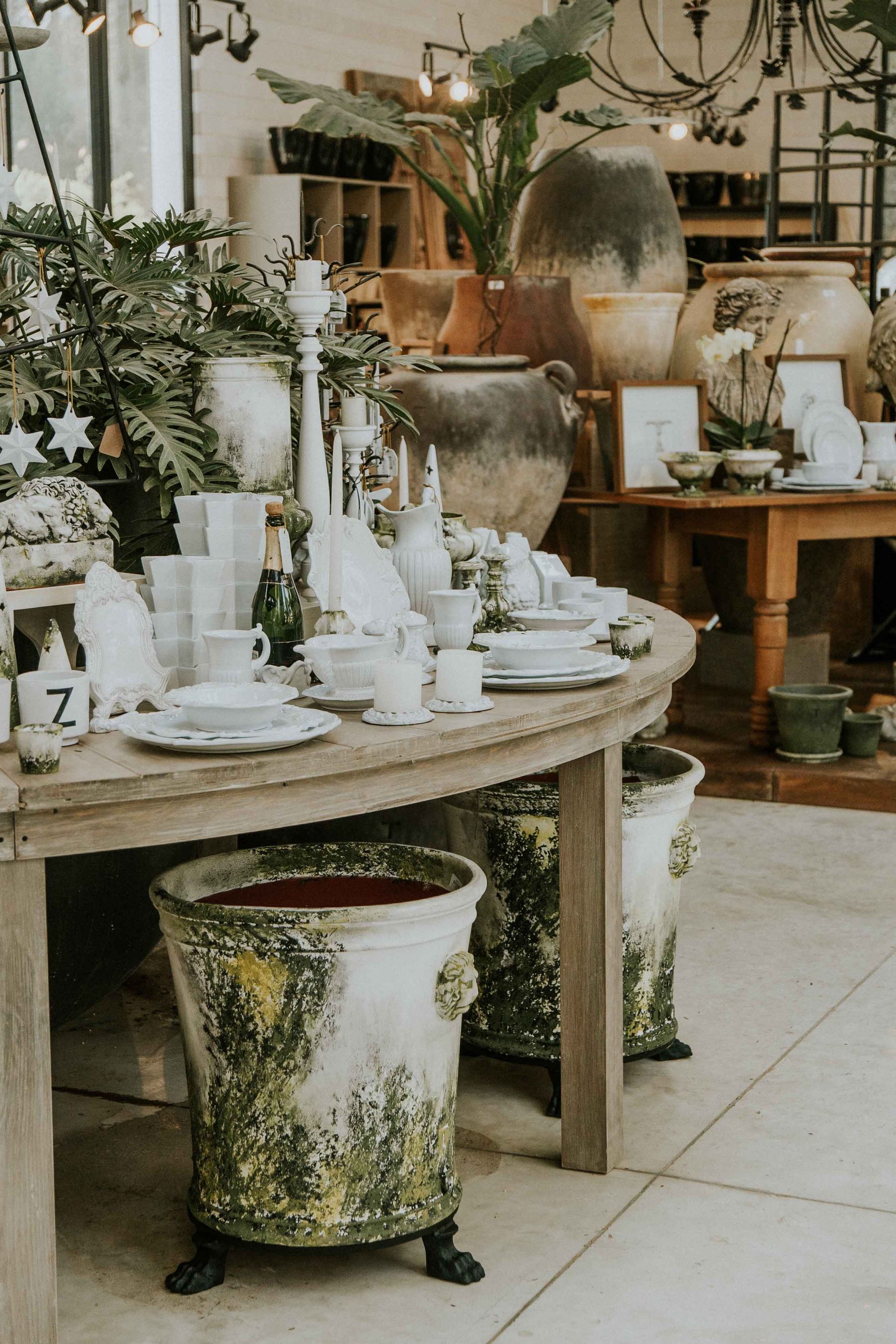
When it comes to home accessories, image is everything. People buy the atmosphere:
- show the product in a beautiful setting (styled in a room), so that people imagine how it would look in their home;
- also take a clean product photo on a neutral background for the details;
- keep your photo style consistent — that makes your webshop and your Instagram one recognizable whole.
You can read how to do this with your phone in taking product photos.
Respond to the seasons
Treat seasons as a planning hypothesis. For one collection, record the selling period, latest supplier order date and plan for leftovers. Review existing enquiries and sales before buying more; an autumn colour alone does not establish demand.
Think of bundles and gifts
Try a gift set containing a vase and two candles. Show exactly what is included and give each item’s dimensions. Account for extra protection, gift wrapping and packing time alongside the bundle price. Compare contribution with individual sales before discounting.
Where will you sell?
Your own webshop is the place where your style and atmosphere come into their own — homeware shopping is about atmosphere and experience. Combine it with a visual showcase on social media, where interiors do particularly well. The specific approach for a homeware store can be found on our page about a homeware store.
Common mistakes
- No recognizable style, so you disappear among all the other homeware shops.
- Pack fragile items too lightly, resulting in damage and returns.
- Only bare product photos without atmospheric images.
- Not using the seasons to plan collections and content.
Frequently asked questions
How do I distinguish myself with a home furnishings webshop?
With a clear, recognizable style and strong atmospheric images. People follow and buy because of the feeling you radiate, not because of one individual product.
How do I ship fragile home accessories safely?
Pack extra well: protect corners, fill empty space so nothing slides, and choose a sturdy box. The extra packaging is cheaper than a broken product.
Should I make my own or buy it?
Compare making and buying on the same basis: sales revenue excluding VAT minus materials or purchase cost, labour, packaging, expected damage, payments and acquisition. Enter actual quotes and your own time before choosing.
How do I take good product photos for homeware?
Show the product styled in a room and as a clean product photo on a neutral background. Keep your style consistent across all photos.
Why are seasons important?
A season can provide a reason for a relevant collection. Use your own enquiries, sales and lead times to plan purchasing and acceptable leftover stock.
Get started
Choose a style that suits you, put together an assortment (self-made, purchased or both) and take attractive, consistent photos. Pack fragile items and plan your collections around the seasons. Ready for the specific approach? View how to start a homeware store with Microcart. Do you sell more widely? Also see how to sell food or sports equipment online.
Further reading
how to start a homeware store with Microcart