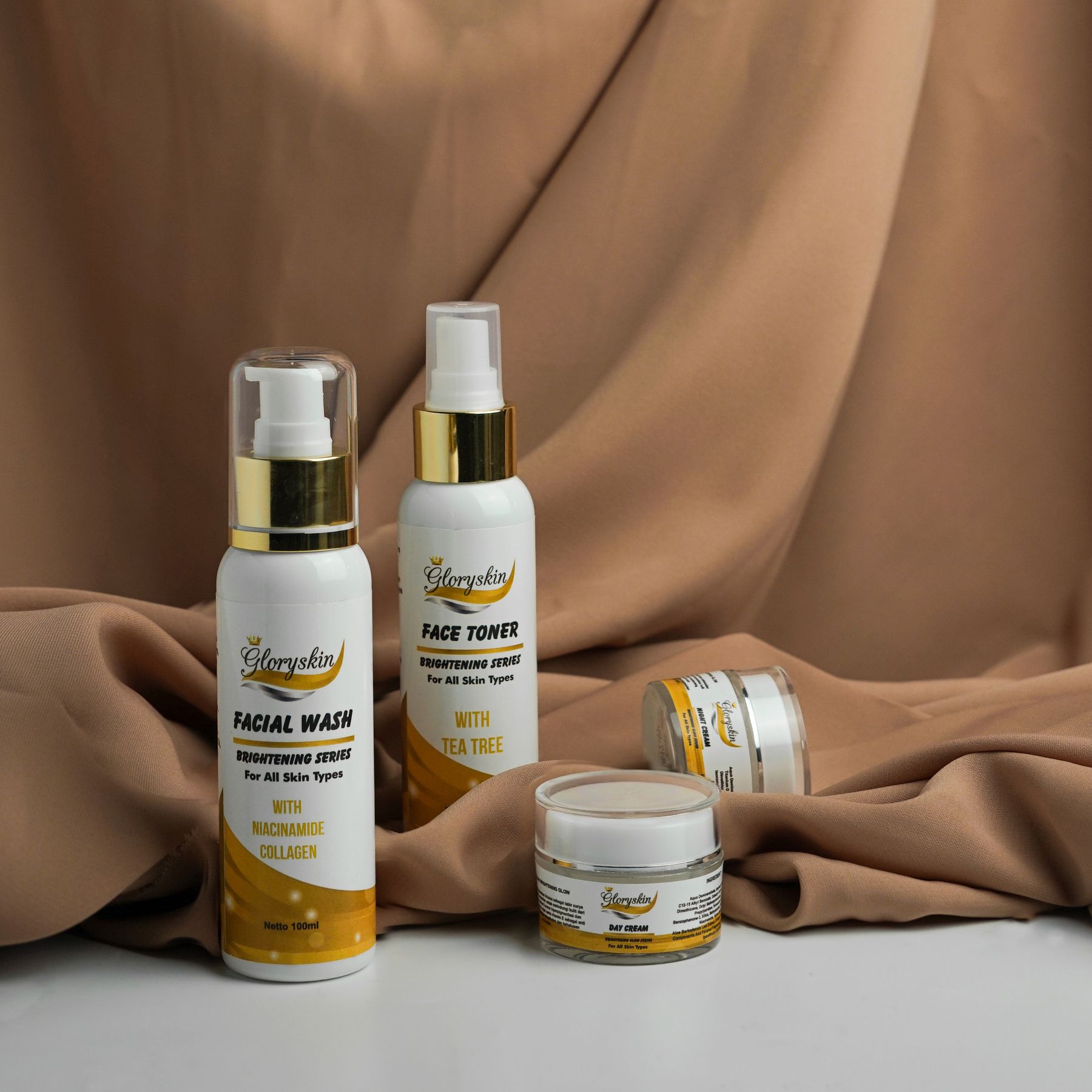
A beauty range starts with demonstrably suitable products and a traceable supplier. A professional brand or a register entry is not general regulatory approval. Establish what you sell and your role in the supply chain before ordering stock or creating advertisements.
Establish your role for each product
An unchanged EU-made cosmetic product may be resold as a distributor. Distributors still have duties involving labels, storage, transport and corrective action. Importing from outside the EU and selling under your own name can bring responsible-person obligations. Document arrangements and any written appointment.
For manufacturing and importing
The responsible person must organise safety, a safety assessment, a product information file, good manufacturing practice, labelling and CPNP notification, among other duties. Notification is not approval. Have qualified specialists assess your formula and role. A supplier’s assurance does not replace checking documentation and responsibilities.
Information that helps a buyer
Check each colour or fragrance separately: correct packaging photo, quantity, ingredients, use, warnings and relevant shelf life. Show swatches under consistent lighting and mention tested skin types only when supported. The chosen variant must match the label the customer receives.
Use a claims table with four columns: exact statement, relevant formulation, evidence and permitted wording. Keep the published version alongside its support. Check product page, advertisement and creator brief too. Adding “natural” or “possibly” does not automatically make a medical promise appropriate.
Durability, hygiene and returns
Record batch identification and durability information and follow storage requirements. Not all cosmetics can be excluded from withdrawal rights. The hygiene exception requires goods unsuitable for return for health or hygiene reasons and a seal broken after delivery. Inform customers before purchase; defective goods are a separate issue.
Sales channels and budgeting
Your own store provides room for clear explanations without guaranteeing margin. Budget for purchasing, safety work, packaging, expiry, service, marketing, processing and returns. MicroCart costs €39.95 per store per month or €399.50 per year excluding VAT, including all MicroCart apps and B2B. Provider fees are separate from 0% own platform transaction fees.
Frequently asked questions
Is a known brand automatically safe? No; check the supplier, label, batch and any problem reports. May you change the label? First investigate the effect on your role and notification duties. Must a distributor create the entire safety file? That differs from the responsible person’s task, but distributors still need their own checks.
Complete one product record
Create a record covering supplier, role, label checks, storage, claim evidence and incident contacts. Then test whether a customer can select the correct variant. Publish after resolving shortcomings, and read the returns guide to develop your operating process.
Sources and checks
Primary sources checked on 26 October 2026: NVWA: cosmetics · EU: Cosmetics Regulation · ACM ConsuWijzer: withdrawal rights