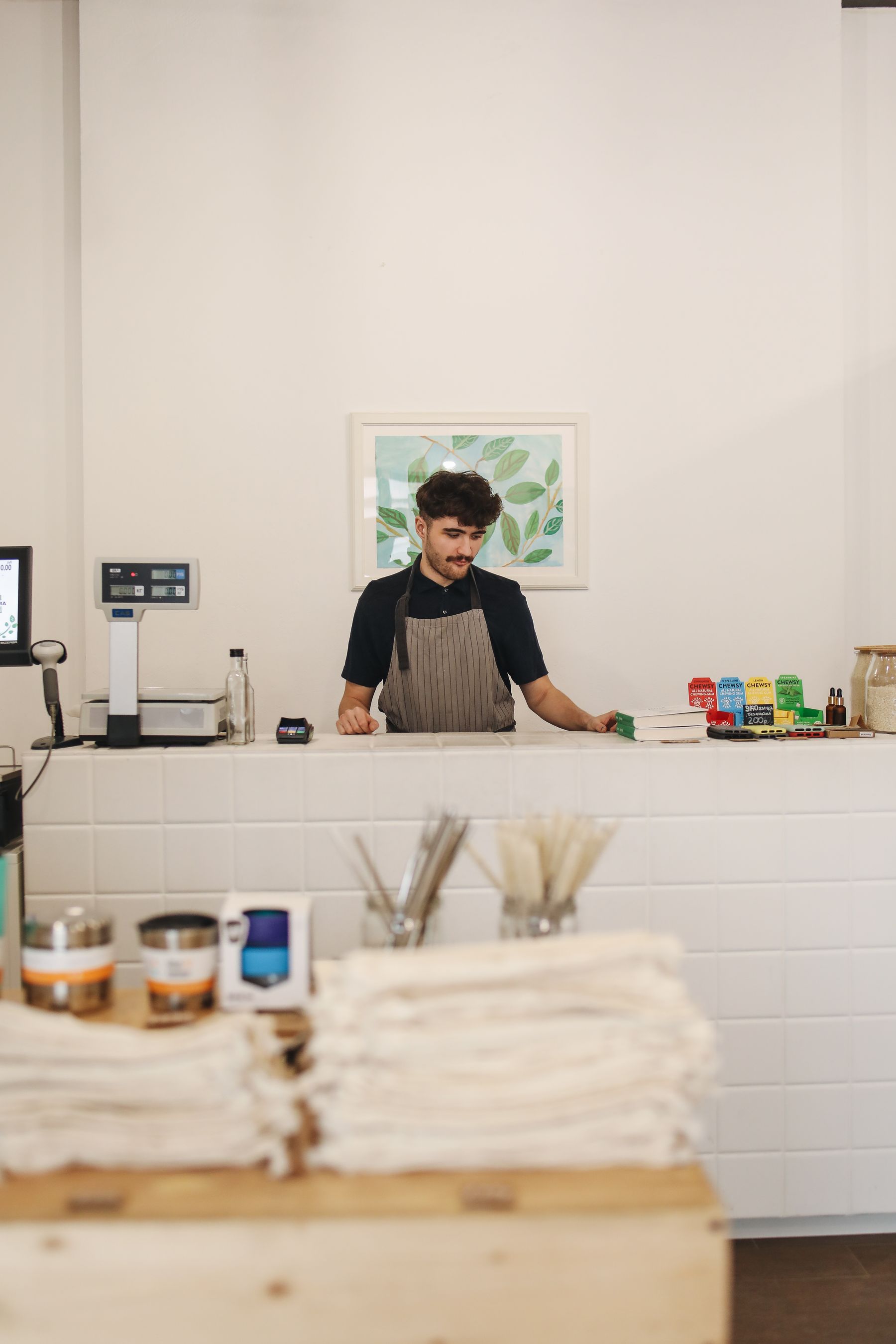
Someone looking for a nearby shop needs to know whether a visit makes sense: what you sell, where you are and when you open. Local SEO starts with accurate information. Map positions are not guaranteed, and this guide uses no unsupported percentage for how many people choose local results.
Understand local searches
Record questions people ask in-store: is a product available, can it be collected, is advice offered? Check how your location appears on mobile. Google identifies relevance, distance and prominence as important local factors; you cannot optimise away the distance from a searcher.
Check eligibility first
Not every online store may have a Google Business Profile. Check Google’s eligibility rules for genuine in-person customer contact, locations and service areas. Online-only businesses generally do not qualify. Do not use a virtual address or additional profile to claim a place where you do not meet the requirements.
Complete profile details
Compare profile and website: business name, category, phone, normal hours and the next holiday. Ask someone to find the entrance from the street using your photos and description. Correct outdated directions; extra keywords in the name do not fix a poor route.
Collect reviews honestly
Ask real customers neutrally about their experience. Do not select only satisfied customers or reward positive reviews. Do not divert criticism into a separate route. Respond constructively and calmly, discussing order details and personal information through an appropriate private channel.
Create a useful location page
Use one location page to explain walk-in access, where collection orders are held and what confirmation is needed. Include accessibility and parking only with verified details. Link the correct store and maintain closures; do not duplicate location copy for towns where you have no presence.
Resolve inconsistent listings
Check that the profile, website and important directories describe the same reality: name, address, telephone and hours. An old location can misdirect visitors. Correct outdated details and record where you changed them so that future updates remain consistent.
Avoid common errors
Do not publish fictitious locations, purchased reviews or misleading hours. Regular posting is not an independently proven ranking mechanism. Keep information current because customers rely on it; a posting schedule is useful only when there is something relevant you can maintain.
Frequently asked questions
Can frequent posts put me at the top? There is no such guarantee. Should I ask only my best customers for reviews? No; ask honestly without selecting for positive experiences. Can an online-only store create a profile? Check eligibility rules; online-only sales generally do not qualify.
Measure customer actions
Record a baseline and examine profile interactions and relevant website visits after changes. Phone taps and direction requests are not proven visits or sales. Compare observations with enquiries received in-store. Also read the general SEO guide.
Sources and checks
Primary sources checked on 26 October 2026: Google: local ranking · Google: review policy · Google: profile eligibility