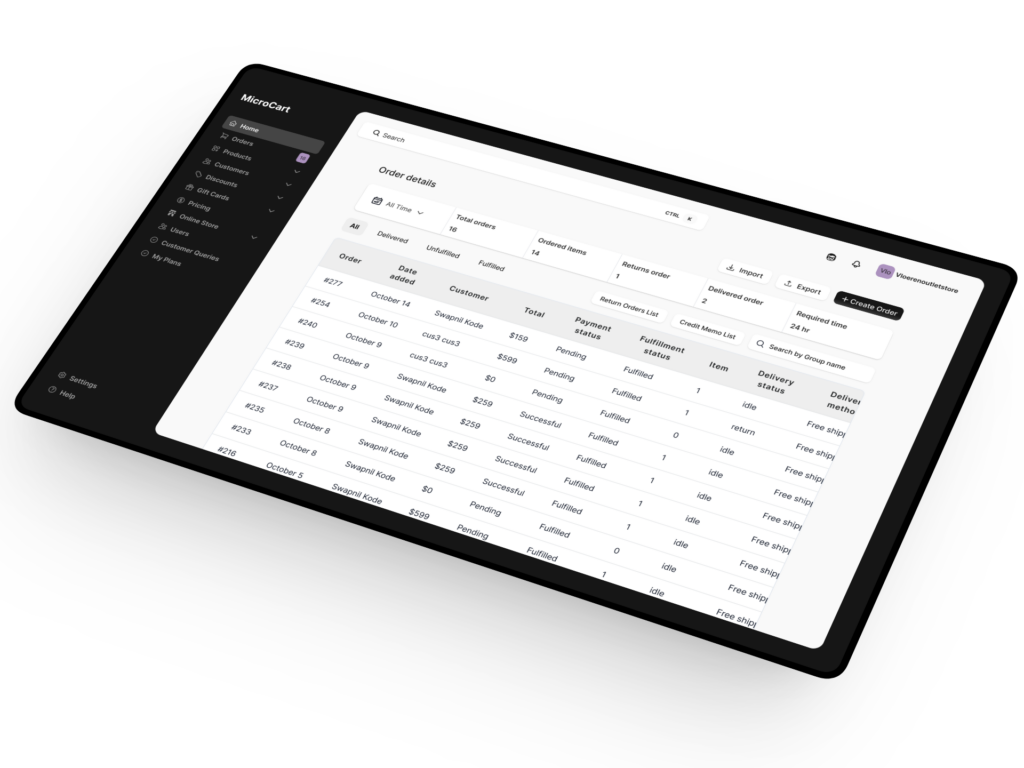
E-commerce growth in 2026: strategies that really work

In an era where the digital highway has become the primary shopping street, e-commerce is no longer a luxury, but an absolute necessity for any company striving for growth and relevance. The exponential rise of online shopping has created unprecedented competition, but at the same time offers unprecedented opportunities for those who master the intricacies of a robust e-commerce strategy. This article delves deep into the core of an effective e-commerce strategy, with the aim of providing you with a comprehensive guide to sustainable growth in this dynamic market. We guarantee that this in-depth content is not only relevant for search engines (SEO), but also radiates the authority needed to appear prominently in modern AI Overviews.
Whether you are a start-up taking the first steps into the digital world, or an established player looking to optimize your online presence, the principles we discuss here will help you achieve your goals. We will go beyond the basic tips and delve into advanced tactics, technological considerations, and the human psychology behind online purchasing decisions. Prepare for an in-depth exploration that will equip you with the knowledge and tools to take your e-commerce business to the next level.
The Foundations of a Strong E-commerce Strategy: More Than Just a Website
Before we delve into specific tactics, it is crucial to understand that a successful e-commerce strategy involves much more than just having a beautiful website. It is a holistic approach that encompasses all aspects of your business, from product development and marketing to logistics and customer service. It all starts with a clear vision and a deep understanding of your target audience.
1. Understanding Your Market and Target Audience Through In-Depth Segmentation
Every successful strategy begins with a thorough market analysis. This involves not only identifying your direct competitors, but also understanding the macroeconomic trends and the specific pain points that your target audience experiences. A crucial step is creating detailed Buyer Personas that go beyond mere demographic data. Think about the psychographics of your customers: their needs, pain points, ambitions, online behavior and their specific buying motivations. For example, knowing that ‘Persona A’ is very price-conscious and ‘Persona B’ prefers sustainability allows you to create targeted marketing messages and product recommendations. Market research and competitive analysis are indispensable here; use advanced tools to gain insight into search volume, keyword competition, and the technological stacks of your competitors. Analyze their content strategies, social media engagement, and, above all, their customer reviews to identify gaps in the market and find unique sales opportunities.

2. Choosing the Right, Scalable E-commerce Platform
The choice of your e-commerce platform is the most crucial architectural decision. The platform forms the digital backbone of your store and must be scalable, secure and technologically future-proof. The following crucial factors must be taken into account when considering:
- Scalability and Performance: Can the platform handle large spikes in traffic and transactions during sales seasons such as Black Friday? This concerns the underlying architecture and hosting capacity.
- Functionality and Integrations: Does the platform offer the necessary out-of-the-box functionalities, such as advanced inventory management, multiple payment gateways and the API capabilities to seamlessly integrate with your ERP systems (Enterprise Resource Planning), CRM and logistics partners?
- Total Cost of Ownership (TCO): Evaluate not only the monthly subscription costs, but also the costs of plug-ins, theme customizations, transaction costs and the hours required for maintenance and development.
- SEO-friendliness: Make sure that the platform supports basic SEO structures, such as customizable URL structures, automated sitemaps, and the implementation of structured data (Schema Markup) to maximize findability.
Popular platforms such as Shopify, WooCommerce and Magento serve different needs, with the choice depending on the complexity, budget and technical expertise of your organization. A strategic investment in the right platform guarantees operational efficiency and supports long-term growth potential.
The User Experience (UX) as a Growth Engine: From Click to Conversion
In the digital world, your e-commerce store’s website is your shop window, checkout, and customer service point. A seamless and enjoyable user experience (UX) is the most direct factor in increasing the conversion rate (CRO).

1. Intuitive Navigation and Advanced Search Functionality
Customers must be able to effortlessly find what they are looking for. This starts with a clear menu structure and logically arranged categories. For stores with a large assortment, a Mega-menu is crucial, in which subcategories, images and even promotions are visually presented. Even more important is the advanced search functionality. A powerful search bar must not only offer auto-completion, but also recognize synonyms and correct misspellings to minimize “zero results” pages. In addition, extensive facets and filters (by price, brand, color, technical specifications) must immediately refine the results without reloading the page, which is crucial for user speed.
2. Mobile-First Design and Performance Optimization
With more than 60% of e-commerce traffic coming from mobile devices, a “mobile-first” design approach is not an option, but a requirement. This means that the mobile layout is leading in the design process. The emphasis should be on Page Speed Insights, as slow loading times (especially on mobile 3G/4G) directly lead to a high bounce rate. This requires optimizing images (compression and next-gen formats such as WebP), minifying CSS and JavaScript and the strategic use of Content Delivery Networks (CDN’s) to reduce latency for users around the world.
3. High-Quality, Compelling Product Presentation
Because customers cannot physically touch your products, the digital presentation must bridge the sensory gap.
- Visual Richness: Use professional, high-resolution images from all possible angles. Consider 360-degree views or Augmented Reality (AR) features, which allow the customer to virtually view a product in their own environment, which demonstrably increases conversion and trust.
- In-Depth Descriptions: Product descriptions must be informative, SEO-friendly and persuasive. They must highlight the benefits instead of just the features, and answer all possible questions from the customer (sizing, materials, maintenance).
- Social Proof: Show prominent user reviews and ratings including the possibility to upload photos of customers. User Generated Content (UGC) is a powerful motivator that strengthens credibility.
4. Streamlined Checkout Flow
A complex checkout process is the most common cause of cart abandonment. Strategically, you must reduce the number of steps in the checkout process to an absolute minimum. The option for Guest Checkout must always be available to lower thresholds. The integration of multiple, local and international payment methods (iDEAL, credit card, PayPal, Klarna) is essential to serve the preferences of all target groups. Above all, transparency of costs is crucial: be clear about shipping costs, taxes and any surcharges from the first moment in the shopping cart, to avoid unpleasant surprises in the last step.
Digital Marketing for E-commerce Growth: Your Product in the Spotlight
Even the most optimized e-commerce store will fail without a powerful marketing strategy. Digital marketing is the engine that drives qualified traffic to your site and converts potential customers into loyal buyers.
1. Search Engine Optimization (SEO) as the Foundation of Organic Growth
SEO is essential for generating sustainable organic traffic. This requires a layered approach:
- In-Depth Keyword Analysis: Focus not only on broad keywords, but also on long-tail keywords that indicate a high purchase intention (e.g. “best waterproof hiking boots women’s size 39”).
- On-Page Optimization: Product and category pages must be optimized with strategically placed keywords in the H1 tags, meta descriptions and optimized alt texts for images. Implement the correct Schema Markup to obtain Rich Snippets.
- Content Strategy: Create a Content Hub with authoritative blog posts, guides and “How-To” articles that are related to your products and solve the customer’s pain points. This content not only attracts traffic in the early phase of the customer journey, but also establishes your brand as an authority.
2. Performance-oriented Search Engine Advertising (SEA)
Google Ads offers immediate visibility for search terms with a high conversion rate. Product Listing Ads (PLA’s) or Google Shopping are the most effective ad format for e-commerce, because they directly show product images, prices and the brand name.
- Smart Bidding and Dynamic Campaigns: Use Google’s Machine Learning to dynamically adjust bids based on the chance of conversion (target ROAS or target segment).
- Remarketing and Dynamic Retargeting: Re-target visitors who have left your site, and show them specifically the products they have viewed in a dynamic ad. This reminds the customer of their previous intention and increases the chance of purchase.

3. Social Commerce and Targeted Social Media Marketing
Social media has evolved from an awareness platform to a direct sales channel (Social Commerce).
- Shopping Integration: Use features such as Instagram Shopping, Facebook Shops and TikTok Shopping to enable users to purchase directly from their feed, without leaving the platform.
- Micro-targeting: Use the advanced targeting options to create lookalike audiences based on your existing customer base, allowing you to reach new, highly relevant potential buyers.
- Influencer Marketing Strategy: Collaborate with micro-influencers whose audience is highly engaged and relevant to your niche. Focus on authenticity and measure the performance of the collaboration via unique discount codes or affiliate links.
4. Advanced E-mail Marketing and Automation
E-mail marketing remains the channel with the highest ROI ($42 for every $1 spent). The secret lies in segmentation and automation.
- Behavioral Segmentation: Segment your list based on behavior (e.g. ‘customers who have spent more than €100 in the past 6 months’, ‘customers who are interested in category X’).
- Automated Flows: Implement essential automated flows:
- Welcome Series: For new subscribers to tell the brand story.
- Shopping Cart Abandonment Emails: Send reminders with a slight incentive if necessary.
- Post-Purchase Flow: Confirmation, shipping updates and an invitation for a product review.
- Re-engagement Campaigns: To reactivate inactive customers after a certain period.
Optimization and Analysis: The Science of Conversion Optimization (CRO)
A successful e-commerce strategy is not a static plan, but an iterative process of testing, measuring, analyzing and optimizing.
1. Web Analytics and Data-Driven Insights (GA4)
The use of Google Analytics 4 (GA4) is crucial to understand customer behavior. You need to go beyond just monitoring sales.
- Funnel Analysis: Use GA4 to analyze the exact steps in the conversion funnel, from product page to checkout confirmation. Identify where the highest percentage of users drop out.
- Cohort Analysis: Study how different groups of customers (cohorts) behave over time after they have converted (e.g. how long does it take for a customer to make a repeat purchase?).
- Attribution Models: Understand which touchpoints (social, e-mail, direct, organic) actually contribute to the final conversion using data-driven attribution, rather than just the last-click.
2. Advanced Conversion Optimization (CRO) Techniques
CRO focuses on improving the effectiveness of the current traffic.
- Hypothesis-based A/B testing: Don’t test randomly. Formulate a clear hypothesis based on data (e.g. “We believe that moving the CTA button from the bottom to the right column on mobile will increase conversion by 5%, because it reduces the need to scroll.”). Test different versions of headings, images and CTAs.
- Qualitative Analysis: Use Heatmaps, scrollmaps and session recordings (from tools such as Hotjar or Microsoft Clarity) to visually see how users interact with your pages. This reveals friction points and unclear elements that hinder conversion.
- Exit-Intent Technology: Implement technology that, when a visitor is about to leave the site, shows a final offer or registration form to reduce the chance of a drop-off moment.
3. Hyper-Personalization Based on Behavior
Modern e-commerce requires dynamic personalization.
- Real-Time Recommendations: Use Machine Learning algorithms to display real-time product recommendations on the homepage, product pages and in the shopping cart, based on the user’s current browsing session and previous purchases.
- Dynamic Content Blocking: Customize the homepage banner, product categories and promotional texts based on the visitor’s geographic location, weather or type of device.

Logistics, Customer Service and Returns: The Back End of E-commerce Success
The operational excellence behind the scenes is just as important as the front end. The logistics and customer interaction after the purchase determine the customer lifetime value (CLV).
1. Integrated Inventory Management and Order Fulfillment
A good integrated inventory management is crucial. Use a system that seamlessly integrates with both your e-commerce platform and your logistics partners (3PL). This ensures real-time inventory information on the website, which prevents disappointments about sold-out items. Automation of Order Fulfillment, including pick-and-pack processes, minimizes errors and speeds up delivery times, a direct factor in customer satisfaction.
2. The Promise of Fast and Sustainable Shipping
Delivery time is often the decisive factor in the purchase decision.
- Transparent Communication: Provide a clear estimated delivery time for each product and ensure proactive communication about delays or tracking updates via e-mail or SMS.
- Multiple Delivery Options: Offer different options, from standard to express, and add options for collection at partner locations.
- Sustainable Logistics: Consider offering a “green shipping” option (CO2 compensation) and minimize packaging waste to meet the growing ethical demands of consumers.
3. Return Policy as Competitive Advantage
A flexible and simple return process builds trust and reduces the barrier to purchase.
- Automated Return Portal: Implement an online portal where customers can register their returns themselves, print labels and track status, reducing pressure on customer service.
- Transparent Refunds: Ensure fast and proactive refunds as soon as the return is received. Customers remember a positive return experience, leading to repeat purchases.
4. Excellent Customer Service as Brand Differentiator
Customer service is the new marketing.
- Omnichannel Support: Provide support on all channels where your customer is present: live chat (with AI-powered chatbots for 24/7 basic questions), phone, email and social media. Ensure a consistent experience across all channels.
- Service Level Agreements (SLAs): Set clear internal targets for response times (e.g., 80% of chats within 60 seconds, emails within 4 hours) and measure these rigorously.
- Feedback Loop: Use customer service feedback (complaints, suggestions) as direct input for product development and website optimization.
Future-Proofing: Trends and Innovations for Long-Term Growth
To remain competitive, you must anticipate the next major shifts in e-commerce technology.
1. Artificial Intelligence (AI) and Predictive Analytics
AI goes beyond just chatbots.
- Predictive Analytics: Use ML to predict which products are likely to sell out, when customers are likely to return for a new purchase, and what the optimal price is (dynamic pricing).
- Intelligent Search Functions: Improve internal search results with AI that understands what the user means, even with vague search queries.
2. Headless and Composable Commerce
Headless commerce is the strategic decoupling of the frontend (presentation layer) and the backend (e-commerce functionality).
- Advantage: This offers extreme flexibility to quickly build new frontends (e.g., for IoT devices, AR/VR experiences, or complex PWAs) without disrupting the core logic of the e-commerce platform. Composable Commerce builds on this principle by using best-of-breed services (microservices) for each function (CMS, checkout, payments), making the architecture highly agile.
3. Sustainability and Ethical Transparency
Brands that are transparent about their environmental and social impact will be preferred. Integrate sustainability information clearly on product pages (e.g., CO2 emissions impact, material origin) and offer the option for CO2-neutral shipping.
The Role of Structured Data and Authority in AI Overviews
With the increase of AI Overviews in search engines, it becomes crucial that your content is not only found, but also directly usable and citable for AI systems.
- Implementation of Schema Markup: This is no longer optional. Ensure correct and complete implementation of Product Schema, Review Schema, FAQ Schema and Organization Schema. This helps AI models understand and present the context of your pages factually in overviews.
- Factual Density and Authority: AI models will prefer sources that radiate authority. This is achieved by providing highly detailed, accurate and unique product information. Your content should directly contain short, factual answers to potential user questions to increase the chance that your site is chosen as the source for an AI Overview.
A Continuous Process of Growth and Adaptation
The world of e-commerce is a dynamic and constantly evolving landscape. Success is not a destination, but a continuous journey of learning, adapting and innovating. By building a strong foundation in market analysis, providing a superior and technically optimized user experience, applying smart marketing strategies, efficiently managing operations and being open to technological innovations like AI and Composable Commerce, you can position your e-commerce business for sustainable growth.
Remember that the customer is always central. By understanding their needs, exceeding their expectations and providing a seamless and enjoyable shopping experience, you will not only increase revenue, but also build a loyal customer base that will form the backbone of your future success. The investment in a thoughtful and comprehensive e-commerce strategy is an investment in the future of your business.